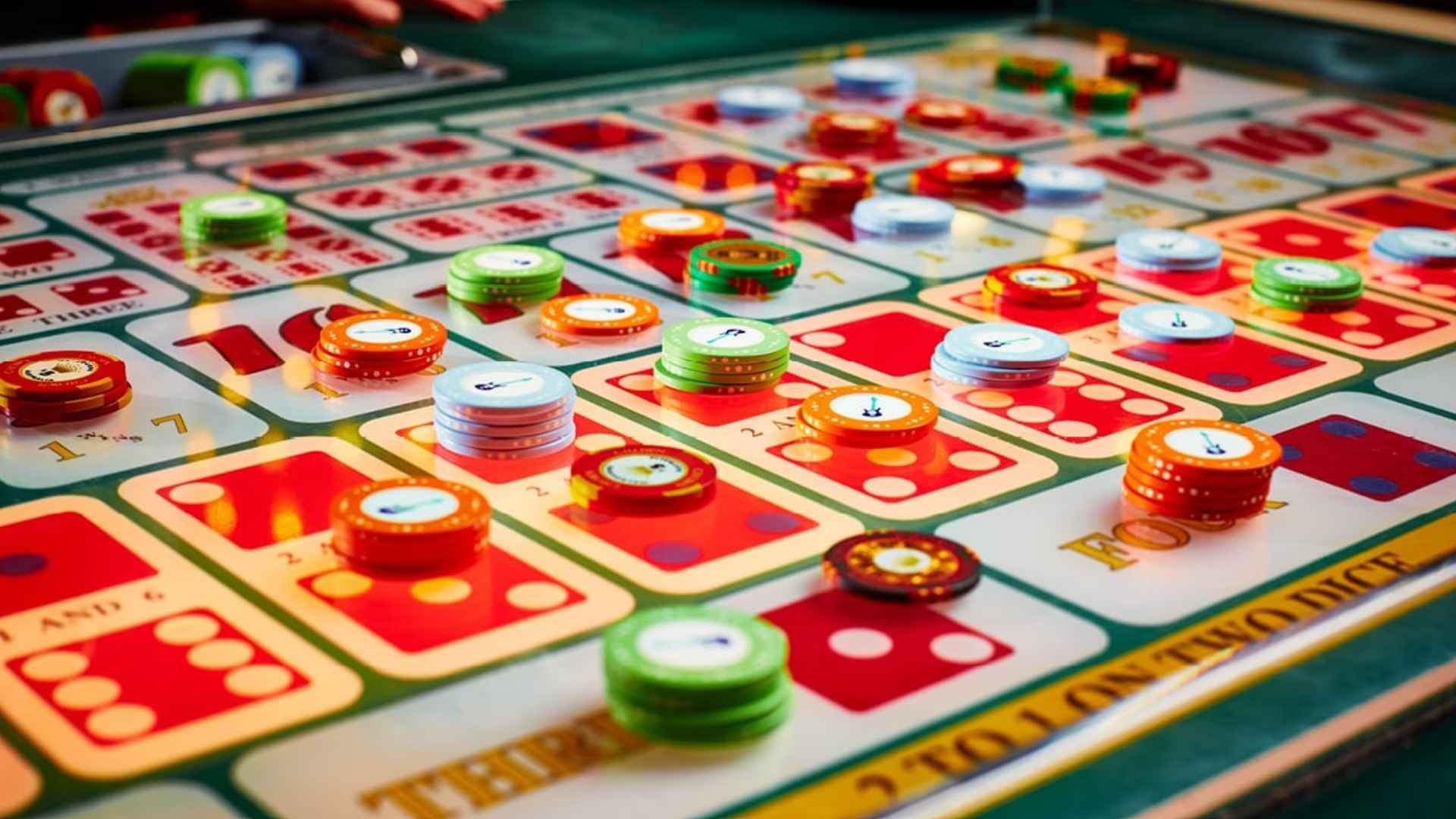
Mastering Mahjong requires moving beyond simple tile matching and developing a deep understanding of structural probability. Realizing which tile layouts hold the highest statistical potential helps you build complete hands with incredible fluidity. By studying how different numeric suits and special honor pieces interact, players can significantly minimize their mistakes and navigate complex table situations with genuine confidence.
Evaluating Your Starting Hand Potential
The journey toward a successful round begins immediately after the initial deal when you sort your hand into logical groupings. Expert players focus heavily on identifying flexible compound tile structures rather than committing to a specific high-scoring pattern too early. Keeping your options open during the opening turns prevents decision fatigue and lets you pivot smoothly based on what you draw.
As you evaluate your starting pieces, it is generally wise to separate isolated honors and terminal pieces that offer low sequence potential. This systematic approach ensures your hand develops at maximum velocity before your opponents can establish their defenses. Developing a clear roadmap from the first turn is the true hallmark of a skilled competitor.
The Power of Multi Sided Wait Patterns
Building high-value tile combinations with speed and precision requires a deep understanding of multi-sided waits. Complex visual patterns, such as consecutive numeric sequences that can accept multiple adjacent numbers, offer the fastest path to completion. Prioritizing these versatile layouts ensures that you remain highly adaptable as new tiles enter the game pool.
Many developing players make the mistake of holding onto rigid pairs when they could easily transition into a fluid sequence run instead. Recognizing when to sacrifice a low-probability triplet for a highly flexible block can completely transform your strategic execution. This tactical shift allows you to maintain offensive pressure while forcing your opponents into a defensive posture.
Strategic Flexibility and Advanced Adaptability
A primary tactical asset of elite players is their innate ability to change plans instantly when table conditions shift. In a standard match, the specific tiles you hope to collect can easily be locked away in hidden hands or discarded into the center pool. Successful competitors treat their hands as evolving puzzles rather than fixed targets, adjusting their structures fluidly based on real-time observations.
Maintaining a versatile hand also requires a deep understanding of safe defensive discards when an opponent approaches a victory state. Developing players can find helpful structural tutorials and practice platforms through resources like M88 Mansion, which support ongoing cognitive and skill development. Balancing an efficient offensive plan with sudden defensive pivots ensures you remain highly competitive until the final tile is drawn.
Refining Your Daily Training Habits
Establishing consistent practice routines is the absolute secret to transforming your casual performance into a highly strategic endeavor. Devoting just fifteen minutes a day to sorting physical tiles or simulating solitary draws can significantly enhance your natural pattern recognition. Analyzing your completed melds after each practice session helps identify common oversight patterns and choice-making mistakes.
As your visual familiarity with the different suits grows, you can begin exploring popular regional rules variations from around the globe. Every variation offers a fresh perspective on scoring dynamics, keeping the long-term gaming experience highly rewarding. Enjoying the learning journey step by step is the ultimate way to master this timeless intellectual pursuit.