The world of numerical puzzles is undergoing a fascinating transformation, moving far beyond rigid formulas and predictable calculations. Modern enthusiasts are increasingly drawn to interactive dynamics that demand fluid logic, lateral problem-solving, and innovative strategies. Engaging with these advanced challenges provides an excellent mental workout that helps players look at traditional arithmetic from entirely fresh perspectives.
The Intersection of Mathematics and Imagination
Traditional math exercises usually require finding a single pre-determined solution through a fixed sequence of standard steps. However, contemporary numerical layouts encourage players to experiment with diverse paths and alternative combinations to reach their targets. This open-ended design stimulates the brain's creative faculties, transforming absolute equations into dynamic landscapes of discovery.
By removing the fear of conventional mistakes, these engaging activities foster an environment where trial and error becomes a valuable learning tool. Players learn to appreciate the structural beauty of sequences while discovering unique connections between seemingly unrelated digital values. This holistic approach builds strong analytical reasoning alongside deep mental flexibility.
How Interactive Platforms Elevate Player Strategy
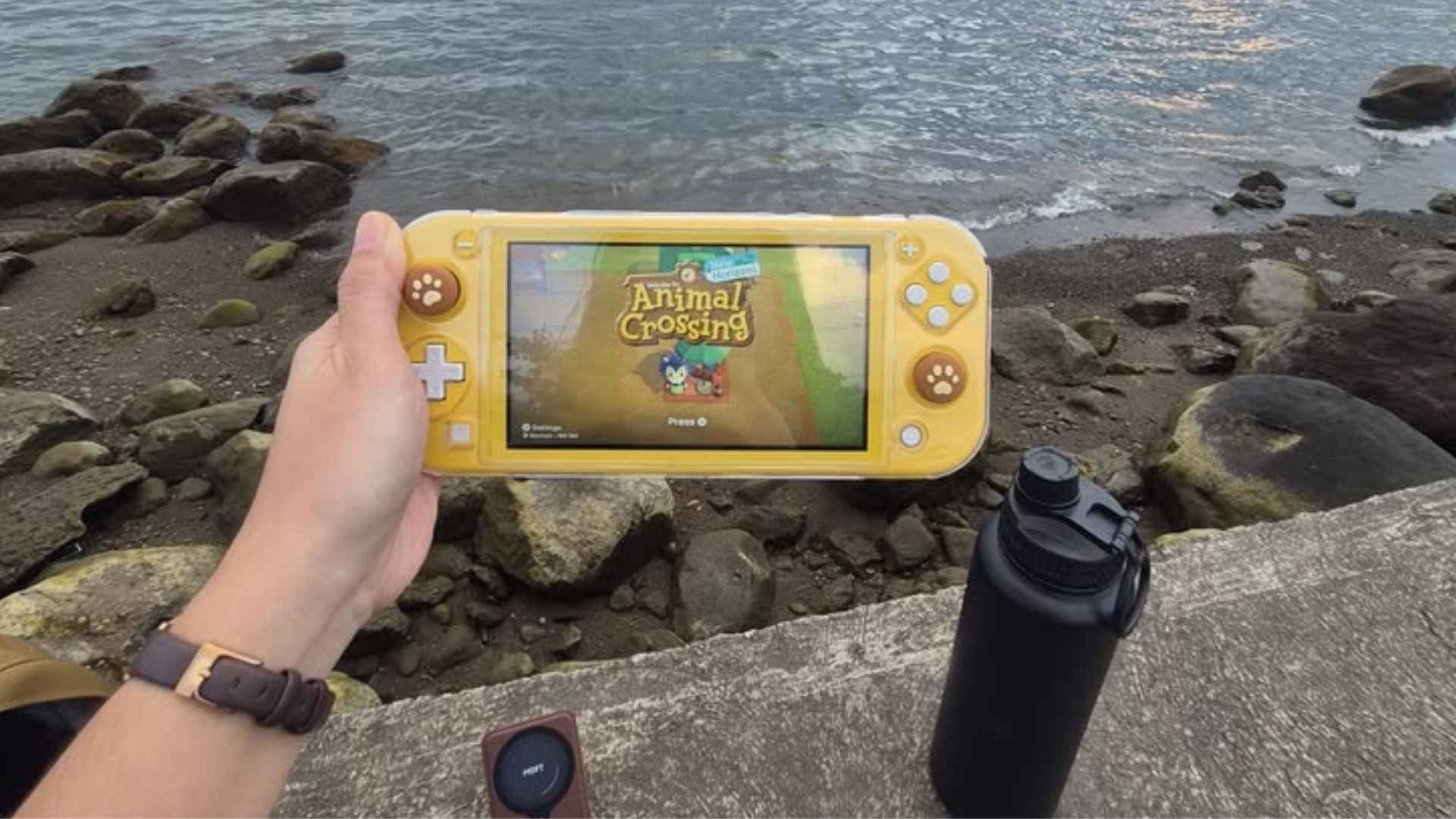
The rapid rise of modern digital systems has introduced a wealth of creative mechanics that adapt perfectly to individual player styles. Enthusiasts can now explore multi-layered puzzles that blend tactical progression with immersive environmental rules to maximize their overall engagement. For instance, testing your reflexes with a modern game stick m88 setup can provide a highly interactive way to experience real-time strategic decision making. Combining tactile responsiveness with sharp intellectual challenges ensures that the learning process remains uniquely rewarding.
Furthermore, interactive platforms frequently offer global communities where players can share custom strategies and innovative solution paths. This collaborative environment exposes participants to different viewpoints, pushing them to refine their personal playstyles constantly. As a result, standard logical thinking naturally evolves into advanced, multi-dimensional problem solving.
Long Term Benefits of Lateral Problem Solving
Regularly engaging with puzzles that reward non-linear thinking significantly strengthens overall cognitive resilience and long-term memory capacity. Studies indicate that tackling novel structural challenges helps build flexible neural pathways, keeping the brain agile as it processes complex daily information. This proactive mental training prepares individuals to handle real-world challenges with greater patience and confidence.
Additionally, breaking through a complex intellectual block offers a strong sense of personal satisfaction that helps reduce routine stress levels. By dedicating just a few minutes each day to these adaptive exercises, anyone can enjoy a balanced routine of cognitive growth and meaningful relaxation. The transition from basic calculation to genuine creative discovery remains a deeply fulfilling journey for minds of all generations.