Tabletop gaming has long been celebrated for its ability to bring people together, but its benefits stretch far beyond simple socialization. Engaging in strategic games forces players to step out of rigid thought patterns and actively adapt to constantly shifting scenarios. By challenging our minds to evaluate multiple pathways to success, specific table games serve as excellent exercises for developing mental agility.
The Dynamic Decision Making of Modern Board Games
Traditional games often rely on linear paths, but modern board games require players to constantly reassess their strategies based on their opponents' moves. When resources become scarce or a planned route is blocked, successful players must quickly pivot to alternative plans. This constant need to reformulate tactics helps build strong cognitive pathways associated with real-world problem solving.
Furthermore, these interactive environments teach players to embrace uncertainty rather than fear it. Learning to see a sudden setback as an opportunity for a creative workaround is a hallmark of a highly resilient mind. Over time, this practice translates into a more relaxed and flexible approach to everyday challenges.
Card Games and the Art of Tactical Pivoting
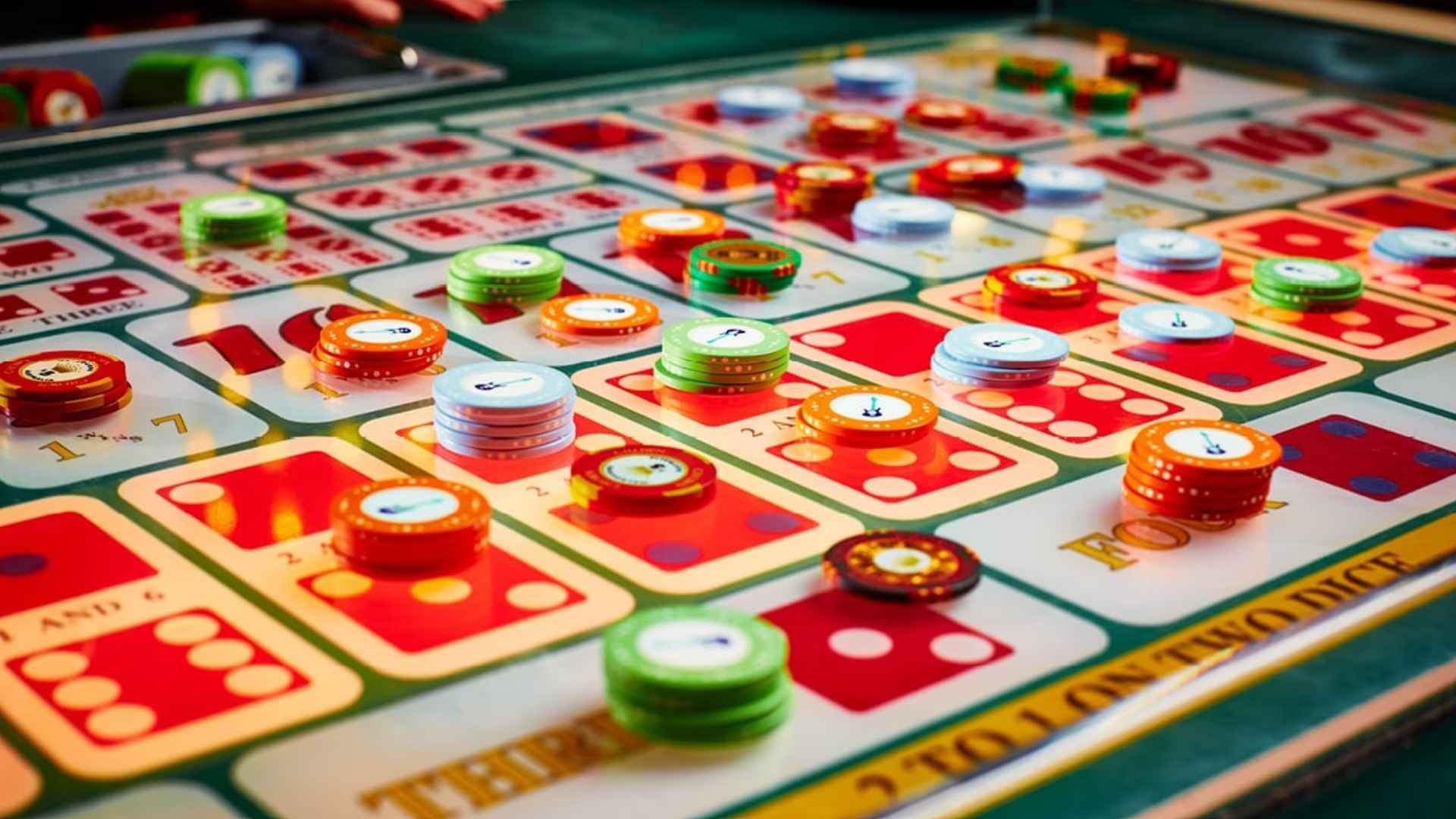
Card games are particularly effective at rewarding cognitive flexibility because they deal with incomplete information and hidden variables. Players cannot simply rely on a single, static formula to win when the hand they are dealt changes every round. Success instead belongs to those who can read the table, calculate shifting odds, and adjust their risk tolerance in real time.
For those looking to test their adaptability in dynamic environments, discovering a reliable platform is key to practicing these mental skills. Enthusiasts often visit M88 Mansion to explore a wide variety of card and table options designed to challenge their strategic thinking. Engaging with these diverse formats ensures that your brain remains active, sharp, and ready for any unpredictable scenario.
Developing Psychological Agility Through Social Play
Beyond individual tactics, the social element of tabletop gaming adds another layer of complexity that demands flexible thinking. Negotiating with other players, reading subtle physical cues, and predicting human behavior require constant mental adjustments. You cannot use the exact same social strategy with every opponent, forcing you to tailor your communication style constantly.
This interactive feedback loop teaches players how to look at the board from multiple perspectives simultaneously. Understanding an opponent's potential moves requires empathy and the ability to step outside of your own immediate goals. Ultimately, this deep social awareness fosters stronger connections and enhances your overall capacity for creative collaboration.