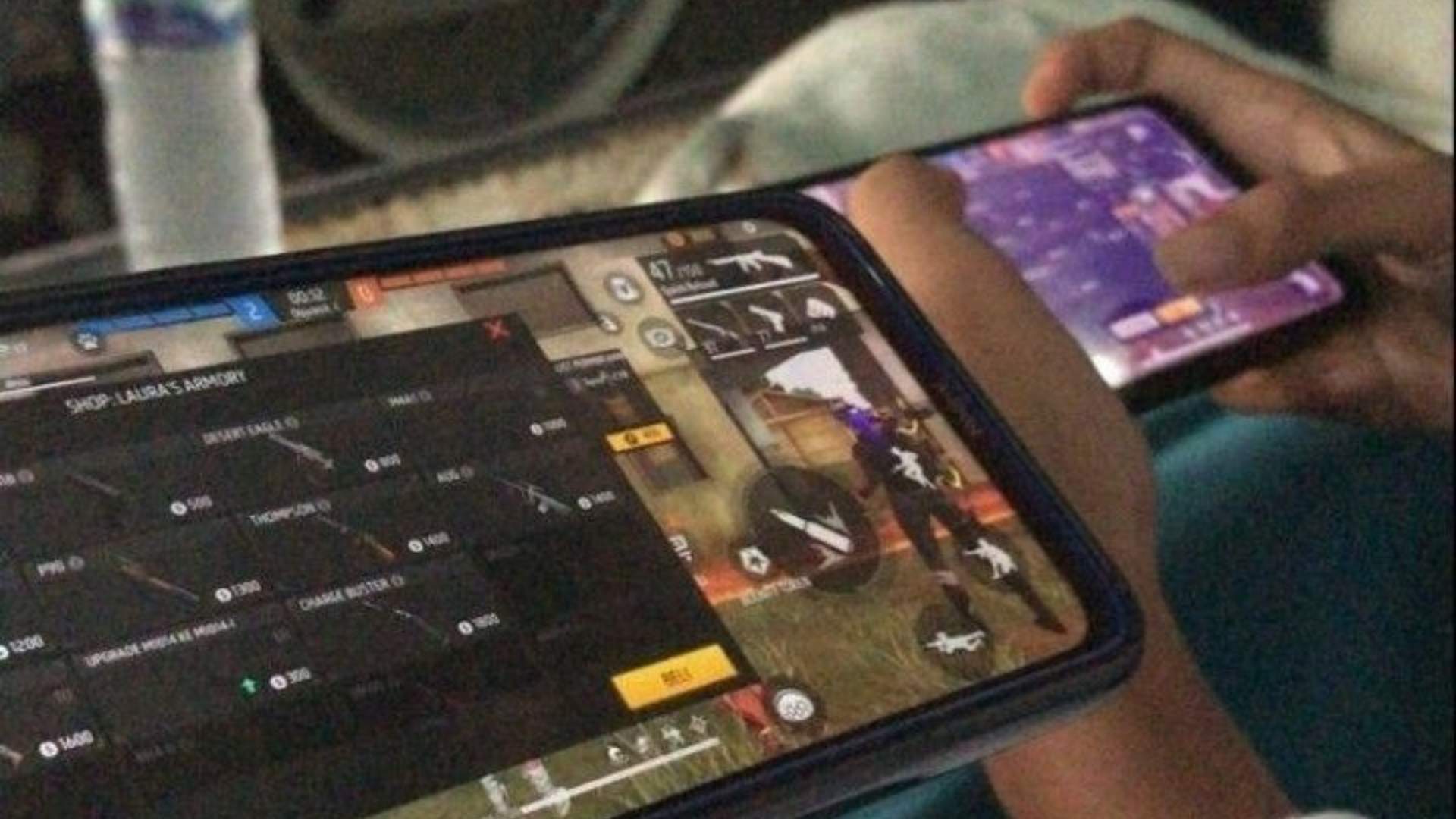
Succeeding in highly competitive multiplayer shooters requires far more than just lightning-fast reflexes and pixel-perfect aim. True dominance on the virtual battlefield comes down to situational literacy, or the ability to accurately interpret environmental cues in real time. By converting subtle map clues into actionable intelligence, players can anticipate enemy actions and control the pace of every engagement.
Decoding Environmental Anomalies
Every multiplayer map contains a baseline state that changes the moment players begin interacting with the environment. Veteran competitors actively scout for micro-disturbances, such as displaced vehicles, shattered windows, or doors left slightly ajar. These architectural disruptions act as early warning systems that reveal recent enemy rotations long before direct visual contact is established.
Furthermore, observing dropped loot or remnants of tactical utility can give you a clear indication of an opponent's current inventory strength. Recognizing these structural signs allows smart squads to prepare defensive perimeters or initiate calculated counter-ambushes. Fostering this high level of environmental awareness effectively mitigates the risk of walking directly into a deadly crossfire.
Interpreting Auditory Intel
Sound operates as a critical stream of intelligence that many average players fail to utilize to its full potential. Every surface material, from concrete pathways to wooden floorboards, generates a distinct acoustic footprint when traversed by competing squads. Cultivating a sharp ear for these spatial audio variations allows you to pinpoint exact enemy coordinates through solid walls.
Advanced players also learn to track weapon audio to determine the specific loadouts their opponents are utilizing. This knowledge helps teams adjust their defensive distances and choose engagements that favor their own weapon mechanics. Masking your own footsteps during ambient chaos is a classic method used to secure a decisive victory on the battlefield.
Anticipating Map Rotations
Predicting where an opposing squad will move next requires a deep understanding of standard player psychology and zone constraints. Most teams instinctively take the shortest, most efficient routes toward safety when pressure begins to mount from dynamic boundaries. Recognizing these high-traffic bottlenecks allows tactical planners to establish superior positioning well in advance.
Instead of chasing skirmishes blindly, elite strategists evaluate the topography to identify secure high-ground zones and natural defilades. They utilize vertical positioning to maximize their line of sight while minimizing personal exposure to long-range snipers. Mastering the art of proactive rotation ensures your team dictates the structural parameters of the final showdown.
Managing Cognitive Focus Under Strain
Maintaining absolute mental clarity during chaotic end-game scenarios is what ultimately separates champions from the rest of the lobby. When multiple squads engage simultaneously, the sheer volume of sensory input can easily trigger performance anxiety and panic. Successful competitors actively filter out visual distractions to focus exclusively on critical tactical indicators.
Developing strict mechanical routines, such as mapping utility items to dedicated hotkeys, saves valuable seconds during high-intensity firefights. This systematic approach frees up cognitive space, allowing you to analyze shifting squad numbers and coordinate effectively with your teammates. By prioritizing calculated decisions over desperate reflexes, you ensure sustainable success across every match.